The Ultimate Guide to Choosing the Best Running Shoes for Your Runs
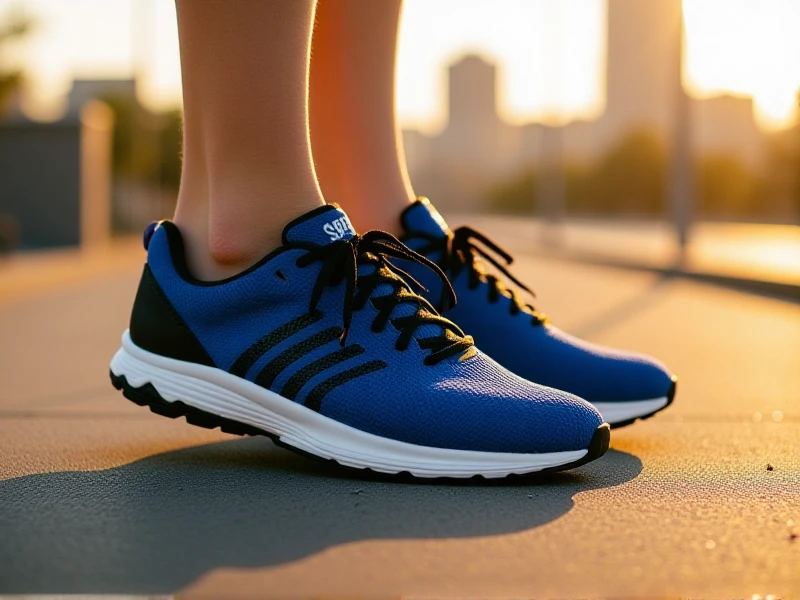
Picking the perfect pair of running shoes can transform your fitness routine by enhancing comfort, preventing injuries, and boosting performance. Whether you're a beginner or a seasoned marathoner, selecting the right shoes is essential for your running journey. This guide covers types, fitting tips, and benefits to help you find your ideal match—all while keeping your feet happy and injury-free.
First, understand the different types of running shoes available in the market. Generally, shoes fall into categories like neutral cushioning for high arches, stability for mild overpronation, and motion control for severe issues. Minimalist options provide a lightweight feel for natural runners, while maximalist versions offer extra padding for joint protection. Brands like Nike, Asics, and Brooks excel in these areas, with new innovations like carbon plates adding spring to each stride. Focus on how these suits your foot type—most running shoe stores offer gait analysis to ensure a precise fit. For instance, if you have flat feet, stability kicks cushion and guide your strides, reducing strain during long runs.
When shopping for your next pair, consider key factors like arch support, body weight, running surface, and mileage. Lace up test models in-store and jog around to feel the fit; shoes should have a thumb's width of space at the toe to avoid blisters. Lightweight runners might prefer flexible soles, while heavier athletes need sturdier models for impact absorption. Trail shoes with rugged treads grip uneven terrains, whereas road options prioritize smooth asphalt. A good rule of thumb is replacing running shoes every 300-500 miles since worn cushioning loses support. This not only prolongs shoe life but also cuts injury risks from worn soles.
Investing in quality running shoes brings numerous advantages. Improved shock absorption minimizes joint stress, helping prevent common issues like shin splints. Better arch alignment promotes efficiency, allowing you to clock faster times and longer distances with less fatigue. Plus, features like breathable fabrics keep feet cool in summer runs, enhancing overall comfort. For optimal care, air shoes out after wet jogs to maintain cushioning integrity.
In summary, the best running shoes blend personal needs with smart features. Always consult experts or reviews before buying, and remember a great fit can make all the difference. Lace up your new pair and hit the pavement with confidence—your running shoes have got you covered!