Finding Your Perfect Pair: The Ultimate Guide to Running Shoes
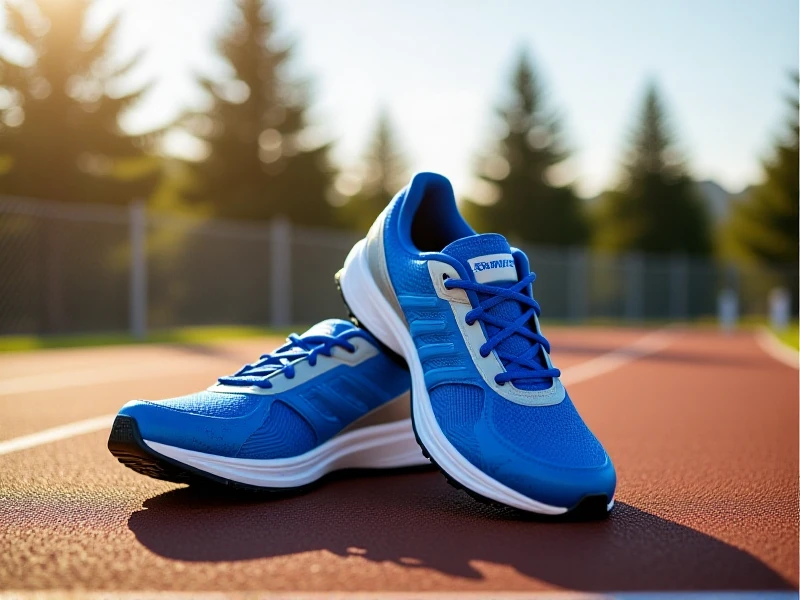
Hitting the pavement, trail, or treadmill? Your feet need the right tools. Choosing the best running shoes isn't just about style; it's the foundation for comfort, performance, and injury prevention. Whether you’re a seasoned marathoner or starting your first 5K training plan, understanding what makes a great running shoe is essential.
Why the Right Running Shoes Matter
Running places significant impact on your joints with every stride. Proper running shoes act as shock absorbers, cushioning your feet and stabilizing your gait. Ill-fitting or worn-out shoes can lead to blisters, shin splints, knee pain, or longer-term issues. The correct pair minimizes risk and transforms your run from a chore into a joy.
Unpacking Running Shoe Types:
- Cushioned/Neutral Shoes: Ideal for runners with high arches or neutral gaits needing maximum shock absorption. These models focus on soft landings, reducing pressure without corrective features.
- Stability Shoes: Perfect for runners with normal-to-low arches or mild overpronation. They offer a blend of cushioning and structured support (often firmer foam or medial posts) to guide your foot's motion gently.
- Motion Control Shoes: Designed for severe overpronators or runners with flat arches, providing maximum support to control inward rolling. Often firmer and heavier for rigidity.
- Trail Running Shoes: Prioritize grip with aggressive outsoles, enhanced protection from rocks/roots, and often water-resistant uppers for off-road adventures.
- Racing/Performance Shoes: Focused on lightweight speed. These may have carbon fiber plates ("super shoes") or responsive foams for propulsion, sacrificing some durability and cushioning for pace boost. Less suitable for daily training.
Choosing Your Fit: Key Considerations
- Foot Type & Gait: Knowing if you have high arches, low arches (flat feet), or a neutral gait – and whether you overpronate (foot rolls inward), underpronate (rolls outward), or have a neutral stride – is crucial. Consider a gait analysis at a specialty running store.
- Try Them On Properly: Visit a store late in the day (feet swell). Wear your running socks. Ensure a thumb's width of space at the end of your longest toe. The heel should fit snugly without slipping. Walk and jog around!
- Mileage & Terrain: Match the shoe to your primary training surface (road, track, trail). Consider durability – performance shoes need replacing around 200-300 miles, while daily trainers last longer.
- Feel is Paramount: Technical specs matter, but comfort rules. If a shoe doesn’t feel "just right" immediately, it rarely improves. Trust your instinct.
Your journey in running shoes begins with understanding your feet and goals. Investing time in finding the perfect pair pays dividends in miles logged pain-free and personal bests achieved. Listen to your body, prioritize support and cushioning appropriate to your needs, and let the right shoes propel you forward. Lace up, hit the road, and experience the difference great footwear makes.