The Ultimate Guide to Running Shoes: Find Your Perfect Fit for Peak Performance
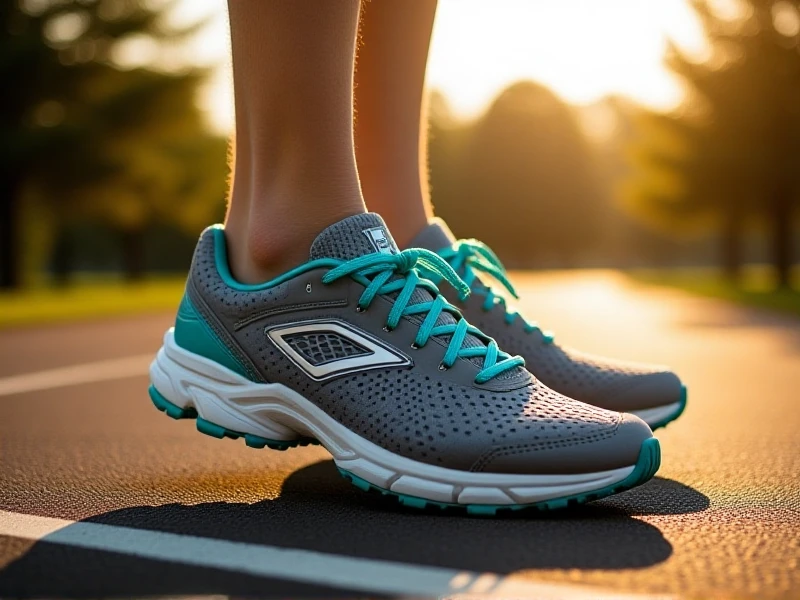
Are you ready to step up your running game? Wearing the right pair of running shoes can make all the difference, turning a painful jog into a smooth, enjoyable experience. Running shoes aren't just about style; they're engineered to provide support, cushioning, and stability, helping prevent injuries and boost your performance. In this guide, I'll walk you through everything you need to know to choose the best running shoes for your needs, based on my years of training and chatting with fellow runners.
First, let's break down the key features that set top running shoes apart. Look for models with ample cushioning to absorb impact and protect your joints. This is crucial if you're pounding the pavement daily. For example, if you're a heel striker, opt for shoes with extra padding in the heel area. Alternatively, lightweight racing shoes can enhance speed for shorter sprints, but they might lack the support for long distances. Another factor is the outsole grip—waterproof and durable materials like rubber ensure good traction on various terrains, whether you're on a trail or a treadmill. Pay attention to breathability too; mesh uppers keep your feet cool on hot summer runs, reducing blisters and discomfort.
When selecting running shoes, consider your personal running style. If you're just starting out or need extra arch support, stability shoes are a solid choice. They help correct overpronation (where your foot rolls inward too much) and promote a healthier stride. I often recommend beginners try them for a few weeks to avoid shin splits. For neutral runners, neutral cushioning models offer a balanced feel without excessive correction. Always get fitted by a professional at a running store—they'll analyze your gait and recommend options tailored to you. Popular brands like Asics, Brooks, and Nike have excellent ranges in these categories. Remember to test them out: jog onsite or walk a few laps to feel the fit; your toes should have a thumb's width of space for comfort.
Don't forget maintenance! Most quality running shoes last around 400-500 miles before losing effectiveness, so track your mileage and replace them regularly. Pair them with good socks—moisture-wicking ones prevent chafing—and you're set. Ultimately, the best running shoes depend on your goals, terrain, and preferences. I've seen many runners transform their routines by switching to the right pair. So lace up, hit the road, and discover how the perfect running shoes can elevate your runs—you'll feel the difference from the first step! Share your experiences or ask for tips anytime; I'm here to help you run stronger.