Finding Your Perfect Pair: The Ultimate Guide to Running Shoes
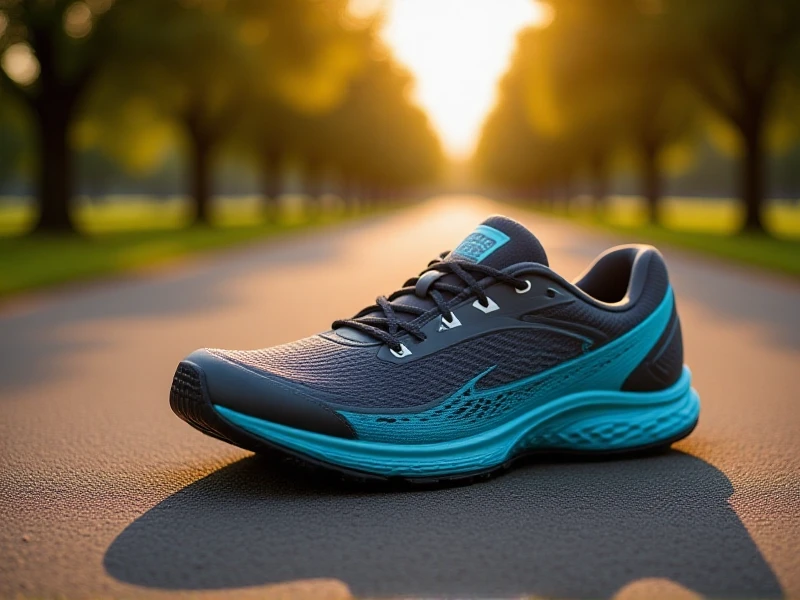
:Running Shoes
:
Choosing the right running shoes isn't just about style—it’s about performance, comfort, and injury prevention. Whether you're training for a marathon or jogging through your neighborhood, the running shoes you wear can make or break your experience. Here's what every runner should know.
1. Cushioning & Shock Absorption
Modern running shoes are engineered with advanced cushioning systems like EVA foam, gel units, or proprietary midsoles (e.g., Nike Air Zoom, Adidas Boost). This technology absorbs impact, reduces joint stress, and provides a responsive feel. For long-distance runners, max-cushioned options offer unparalleled comfort.
2. Lightweight Design
Heavy shoes slow you down. Brands like Brooks, Asics, and Hoka prioritize ultra-lightweight materials without compromising support. Look for breathable mesh uppers and streamlined soles—ideal for speedwork or competitive runners.
3. Arch Support & Stability
Your foot arch determines your needs:
- Neutral arches: Opt for balanced cushioning (e.g., New Balance Fresh Foam).
- Flat feet/overpronation: Stability shoes with medial posts are crucial (e.g., Saucony Guide).
- High arches: Prioritize flexible cushioning (e.g., Mizuno Wave Rider).
Always consult a gait analysis at specialty stores!
4. Terrain-Specific Outsoles
- Road running: Smooth rubber soles for pavement grip.
- Trail running: Deep, aggressive lugs for mud/rock traction (e.g., Salomon Speedcross).
- Track/racing: Spikeless "waffle" designs for lightweight sprinting.
Pro Tips for Longevity
- Rotate between 2 pairs to reduce wear.
- Replace running shoes every 300–500 miles.
- Clean gently with mild soap—never toss in the washer!
Find your stride in the perfect pair. The right running shoes blend science and soul—supporting every step toward your goals. Ready to run better? Explore our curated collection today.