Finding Your Perfect Pair: A Runner’s Guide to Choosing Running Shoes
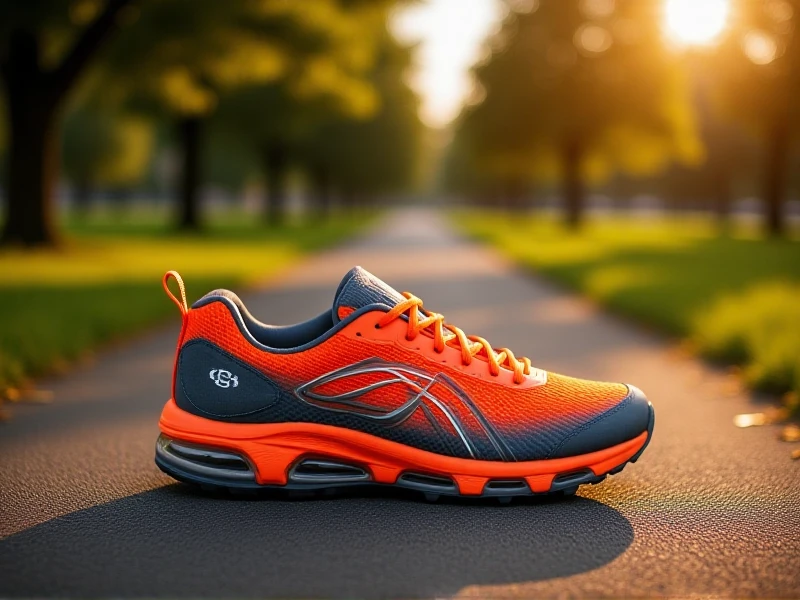
Hitting the pavement, embracing the trails, or logging miles on the treadmill – running offers freedom and fitness in equal measure. But the wrong footwear can quickly turn your stride into discomfort, slowing you down or even causing injury. Choosing the running shoes crafted for your feet and running style is paramount. Forget the "dreadmill"; let's find the perfect partner for your next run.
Modern running shoes are intricate marvels of design, far beyond simple trainers. Consider these essential factors:
- Arch Type & Foot Strike: Do you have high, neutral, or low arches? Does your heel strike the ground first, or do you land midfoot/forefoot? Understanding this guides you towards running shoes offering the right support (pronation control) or neutrality.
- Surface & Running Style: Concrete streets demand resilient cushioning. Loose trails require aggressive tread and stability. Do you sprint, jog long distances, or tackle intervals? Different running shoes excel in specific environments and intensities. Road, trail, racing, and stability models cater to distinct needs.
- Cushioning & Responsiveness: Preferences vary dramatically. Some runners crave plush, marshmallow-soft landings ("max cushion") for joint relief. Others seek a snappy, firm platform ("responsive") that converts impact into forward motion quickly. Modern midsole foams (like EVA, TPU, Pebax) offer a spectrum from super soft to incredibly energetic.
- Fit & Feel: This is non-negotiable. A truly great pair feels comfortable immediately. Ensure enough room (about a thumb's width from your longest toe to the end), secure heel hold without slippage, and no pinching across the midfoot. Always try shoes on in the late afternoon when feet are slightly swollen, and with the socks you run in.
Beyond the Basics: Don't overlook other critical features:
- Weight: Lighter running shoes often promote speed but might offer less cushioning.
- Breathability: Well-ventilated uppers keep feet cool and dry on long runs.
- Durability: Look for reinforced high-wear areas, especially for high-mileage runners.
- Traction: Essential for wet pavements or challenging terrain.
Investing Wisely: High-quality running shoes are an investment in your health and running enjoyment. Replacing them every 300-500 miles is crucial for optimal support and cushioning performance. Worn-out shoes significantly increase injury risk.
The perfect pair transforms your run from a chore into a joy. Listen to your body, understand your gait, and don't hesitate to seek guidance from knowledgeable staff at specialized running shoes stores. Try on several models, take them for a light test jog in-store or on a treadmill if possible. Your happy feet – and your fastest times – will thank you. Find the shoes that truly fit and run stronger! Measure your feet, know your arches, and step into your best run yet.