Choosing the Best Running Shoes for Comfort and Performance
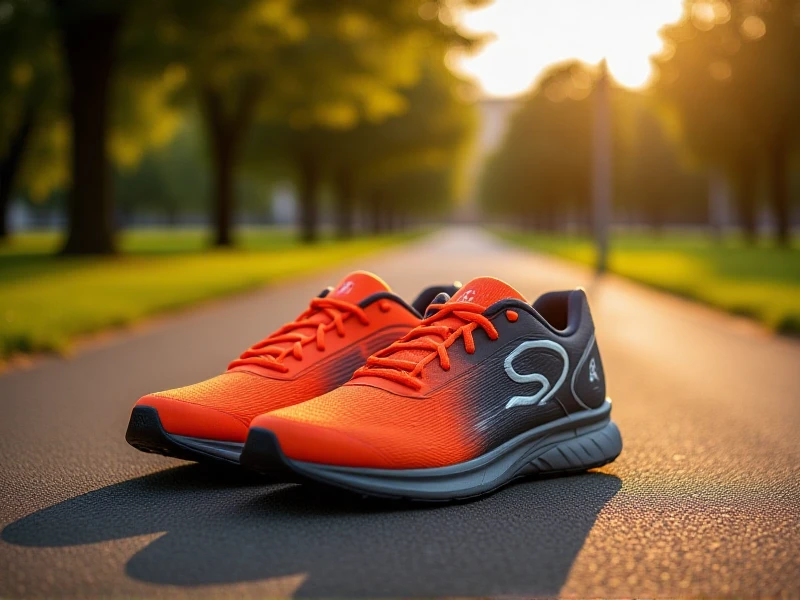
Hitting the pavement or the trails requires more than just motivation; your feet need the right support. Investing in properly fitted running shoes isn't just about comfort – it's fundamental to preventing injuries and enhancing your performance. With countless options available, knowing how to pick the perfect pair can feel overwhelming. Let's break down the key factors.
First, understand your foot type and running gait. Are you a neutral runner, an overpronator (your foot rolls inward excessively), or an underpronator (your foot rolls outward)? Specialty running stores often offer gait analysis, which is invaluable. For neutral runners, neutral running shoes provide balanced cushioning and support. Overpronators typically benefit from stability running shoes or motion control running shoes, featuring firmer medial (inner) support. Underpronators need flexible, cushioned cushioned running shoes to aid natural shock absorption.
Next, consider the cushioning level. Do you prefer a plush, soft landing or a firmer, more responsive feel? Maximalist running shoes offer abundant cushioning, ideal for long miles or runners prone to joint issues. Minimalist running shoes have less cushioning, promoting a more natural foot strike but requiring greater strength. Most runners find a sweet spot with moderately cushioned running shoes.
Think about where you run most often. Road running shoes prioritize cushioning and are optimized for pavement. Trail running shoes feature aggressive treads (lugs) for superior grip on mud, rocks, and roots, plus protective elements like rock plates and reinforced uppers. Hybrid running shoes offer a versatile option for runners tackling both surfaces. For track work or racing, lightweight racing flats or performance running shoes deliver speed but sacrifice some cushioning and durability.
The importance of fit cannot be overstated. Always try on running shoes later in the day when your feet are slightly swollen. Wear your typical running socks. Aim for a snug (not tight) heel fit, allowing a thumbnail's width of space between your longest toe and the shoe's end. Ensure plenty of room for your toes to spread naturally. Your midfoot should feel securely held without pinching. Don't ignore the heel counter; it should feel stable without rubbing.
Finally, pay attention to weight and breathability. Lighter running shoes reduce leg fatigue, beneficial for speedwork and racing. Breathable mesh uppers help keep your feet cool and dry on longer runs. See features like reflective elements for safer early morning or evening runs.
Ultimately, the best running shoes are the ones that disappear on your feet, letting you focus solely on your run. Visit your local running store, get expert advice, try multiple pairs, and trust how your feet feel. Replacing them every 300-500 miles is crucial for maintaining proper support. Your knees, shins, and feet will thank you! Experiment freely – finding your perfect fit unlocks miles of enjoyment.