Why Investing in Proper Running Shoes Matters More Than You Think
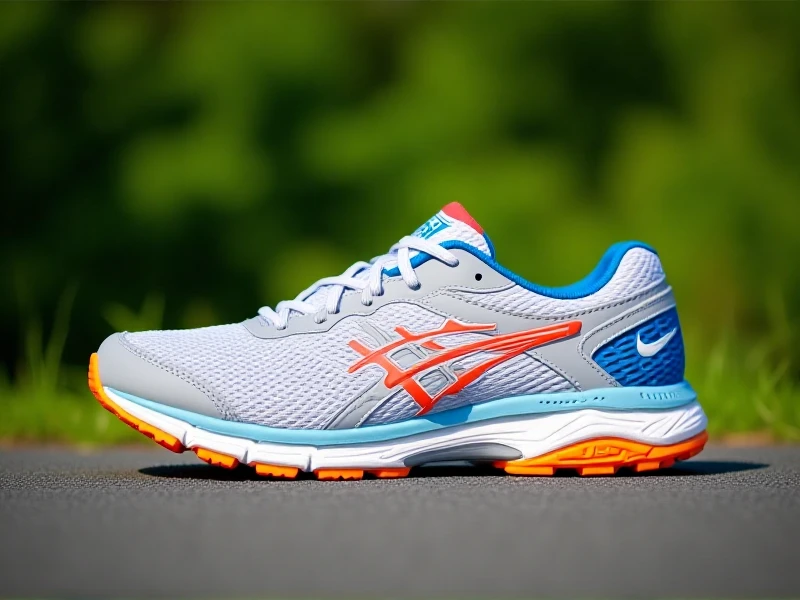
Here is an SEO-optimized article focusing on "Running Shoes":
Your running gear starts from the ground up. Running shoes aren't just footwear; they're essential partners in your fitness journey and crucial for preventing injury. Choosing the right pair directly impacts your comfort, performance, and joint health. With countless options flooding the market, understanding what makes proper running shoes vital helps you invest wisely.
The foundation of any good running shoe is cushioning. This absorbs the significant shock each time your foot strikes the ground. Different shoes offer varying levels – maximal cushioning for maximum impact absorption or minimal options for a more natural feel. Matching the cushioning level to your mileage and preferences is key. It's not just about softness; it's about responsive materials that return energy and protect joints over miles.
Equally critical is support, particularly concerning your foot's natural motion. Everyone has a unique gait, often involving pronation (how much your foot rolls inward). Running shoes are designed to compensate: neutral shoes offer balanced cushioning for efficient gaits, stability shoes provide moderate control for mild to moderate overpronation, and motion control shoes are for significant overpronation. Wearing shoes mismatched to your gait pattern can lead to common running injuries.
Fit reigns supreme. Quality cushioning and support mean little if the running shoes don't fit correctly. Allow ample space (about a thumbnail's width) between your longest toe and the shoe's end. Ensure a snug heel hold to prevent blistering and slippage, while the midfoot should feel secure without pinching. Width is crucial; cramped toes create problems. Trying on shoes later in the day when feet naturally swell helps secure the best fit.
Beyond pronation, consider your running terrain. Road running shoes prioritize cushioning and lightweight design for pavement. Trail running shoes boast aggressive treads for grip on uneven surfaces and added protection from roots and rocks. Consider also the running shoe drop – the height difference between heel and forefoot. Varying drops can affect Achilles tendon loading and calf muscle engagement; many runners stick with what feels natural or slowly transition.
Modern running technology includes lighter, responsive foams and breathable, durable uppers constructed from high-tech meshes. Features like rocker profiles (promoting smoother foot roll-off) or carbon-fiber plates (boosting propulsion efficiency in racing models) push performance boundaries. However, advanced tech must always complement proper fit and function over fashion alone.
Remember, even the best running shoes have a lifespan, typically 300-500 miles. Overuse erodes cushioning and structural integrity, increasing injury risk. Pay attention to excessive midsole creasing, worn-out tread patterns, or diminishing shock absorption compared to a newer pair.
Finding the optimal running shoes requires understanding your body's mechanics, running habits, and terrain preferences. Consulting a specialty running store staffed by knowledgeable personnel offers significant advantages. Their gait analysis protocols – observing your running mechanics – paired with expertise in fitting different brands and models helps translate your needs into the perfect footwear solution. Invest the time to find your true match and lace up with confidence. Your feet, and your running goals, will thank you.