Choosing the Best Running Shoes for Peak Running Performance
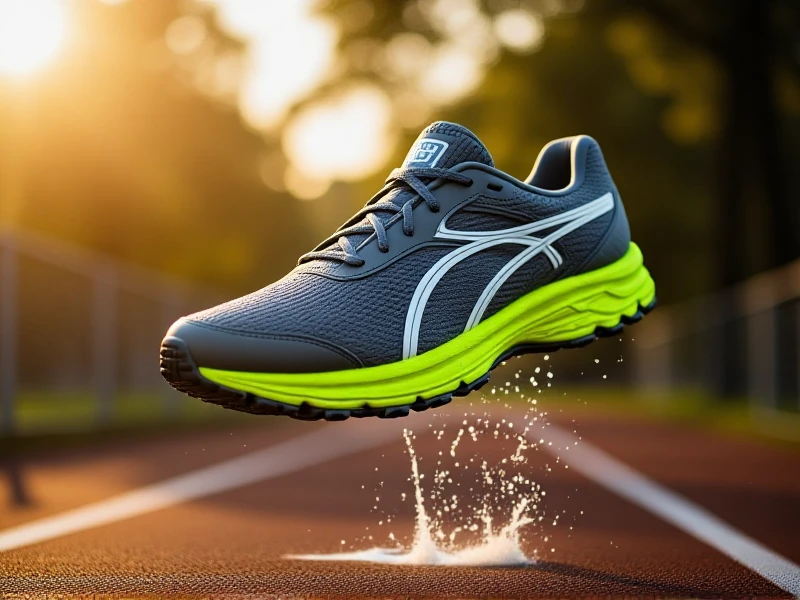
Running is more than just exercise—it's a lifestyle that boosts your health, energy, and mindset. But to truly enjoy your runs and avoid injuries, the foundation lies in selecting the right running shoes. High-quality running shoes are essential for everyone, from beginners to seasoned marathoners, as they provide cushioning, support, and stability tailored to your stride. Unlike regular sneakers, these specialized shoes absorb impact, reducing stress on your joints and enhancing overall comfort. This guide covers key aspects to consider when picking your perfect pair, helping you run stronger and longer every time.
First off, not all running shoes are the same. They come in various styles to match different terrains and preferences. For instance, road running shoes feature lightweight materials and ample cushioning for paved surfaces, perfect for urban jogs or daily commutes. Trail running shoes, on the other hand, include rugged outsoles and waterproof protection for tackling muddy paths and rocky hikes. Some models focus on stability or motion control if you overpronate (where your foot rolls inward too much), while neutral running shoes offer balanced support for a more natural gait. Brands like Nike, Brooks, and ASICS innovate constantly, incorporating breathable mesh and responsive foam to optimize your performance wherever you train.
Selecting the ideal running shoes involves assessing your needs. Start by analyzing your arch type: high arches benefit from cushioned models, while flat feet need extra support to prevent discomfort. Next, consider your running mileage—high-mileage runners should prioritize durability and shock absorption to prevent fatigue. Get fitted properly at a store or through online tools, as ill-fitted shoes can lead to blisters or shin splints. Aim for a snug, half-thumb's space at the toe, ensuring your heels stay locked in without slipping. Rotating between two pairs helps prolong their lifespan by allowing cushioning to recover between runs.
Maintaining your running shoes is also crucial for peak longevity. After each run, remove any debris and let them air-dry away from direct heat to avoid material breakdown. Replace them every 300-400 miles or when you notice excessive wear, as worn-out shoes lose their protective benefits and increase injury risks. Store them in a cool, dry spot to preserve shape. Ultimately, investing in the right running shoes elevates your exercise routine, making every stride safer and more enjoyable. For your next pair, research reviews and try options—your feet will thank you for the upgrade!