Find Your Perfect Fit: Top Tips for Choosing the Best Running Shoes
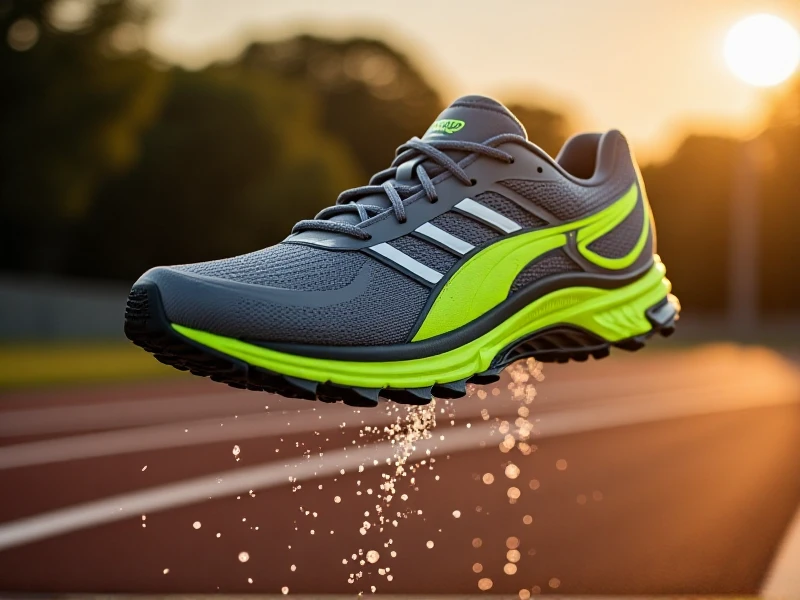
Every stride matters. Whether you're a seasoned marathoner or lacing up for your first morning jog, the foundation of a great run starts with one crucial decision: choosing the right running shoes. This isn't about the flashiest colors or the biggest brand names; it's about finding a partner that supports your unique feet and running style. Wearing poorly fitted or inappropriate runners can lead to discomfort, reduced performance, and even injuries like shin splints or knee pain. Investing time in finding your ideal pair pays dividends in comfort and long-term joint health.
The journey to perfect running shoes begins with understanding your foot arch type (neutral, low, or high) and pronation (how your foot rolls inward upon landing). Most specialized running stores offer gait analysis – a quick assessment that reveals these key factors. Based on this, the right shoes generally fall into categories: neutral cushioning for efficient strides, stability models offering gentle arch support, and motion control options providing maximum correction for overpronation. Don't assume you know your type; a professional analysis is eye-opening.
Finding the perfect fit and feel is paramount. Always try shoes on later in the day when your feet are naturally slightly swollen, similar to when running. Wear the specific sock thickness you run in. Ensure about a thumbnail's width (roughly half an inch) between your longest toe and the shoe's end – your feet need space to expand on impact. The shoe should feel snug, secure through the midfoot and heel without any slippage, but never pinching or tight. Walk and ideally jog a little in-store. Trust that immediate 'ahh' feeling of comfort and support.
Beyond support, consider the terrain and your running goals. Road running shoes prioritize cushioning for pavement impact. Trail runners boast aggressive tread for rugged paths and added stability. Consider material breathability (like engineered mesh for airflow) and weight, especially if targeting speed or longer distances. Durability is also key – look for reinforced areas in the outsole and toe box.
Ultimately, the best running shoes are the ones you don't notice – they simply disappear, letting you focus purely on the run. Avoid getting caught up in trends; what works wonders for a friend might be wrong for your biomechanics. Prioritize your foot health, comfort, and support above all else. Taking the time to invest in a properly fitted pair based on your individual needs is the most important step you can take towards enjoying countless comfortable, injury-free miles. Visit a specialty store for expert advice – your feet and your runs will thank you!